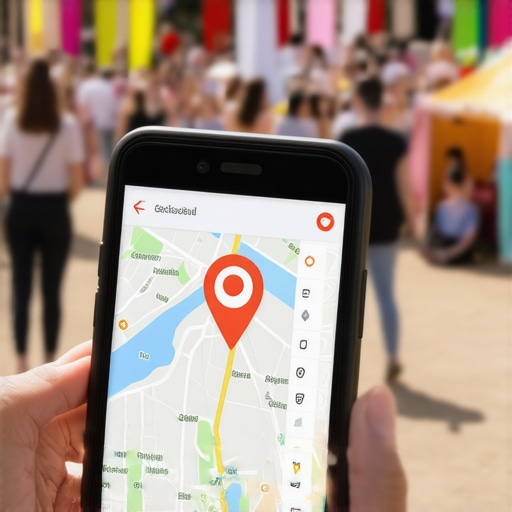
I spent two months planning a community BBQ at my first office, thinking the sheer volume of people would somehow leak into Google’s algorithms. I was wrong. I had hundreds of people eating hot dogs, but my Google Maps pin was still stuck on page four behind a competitor who hadn’t updated their profile since 2012. It was a gut punch. I realized that Google isn’t a psychic; it needs digital breadcrumbs to connect your physical presence at an event to your online authority. Today, we are going to change how you look at neighborhood gatherings.
Stop Treating Local Events Like Simple Charity
Most of us get into local events because we want to help the neighborhood, but from a strategic SEO perspective, these moments are gold mines for relevance. When you participate in a town fair or sponsor a high school team, you aren’t just getting a thank-you note. You are creating a geographic footprint. I used to make the mistake of just writing a check and walking away. That was a massive missed opportunity for google maps optimization. Today, we’re going to fix that by showing you how to bridge the gap between a physical event and real maps visibility.
Is spending time on local events actually worth the hype?
I get it. You’re busy running a business, and the idea of optimizing a local bake sale sounds like a lot of extra work. But here is the reality: Google uses prominence as a core ranking factor. A study by Moz confirms that local signals, including neighborhood-specific mentions, are crucial for staying competitive in the local search ecosystem. If Google sees your business mentioned on the local library’s event page and the neighborhood association’s blog, you become a trusted entity. This is how you rank higher in the 3-pack without fighting purely on review count. Have you ever felt like you’re the best-kept secret in town while less qualified rivals get all the calls?
My Big Mistake With Digital Silence
Early on, I thought the event itself was the finish line. I didn’t take photos, I didn’t update my Google Posts, and I certainly didn’t ask for a link from the event organizer. I was basically a ghost. Now, I know that using local events to boost your map visibility requires a specific workflow that starts before the event even begins. It’s about building those specific trust signals that tell Google, “Hey, I’m not just in this city; I am part of its heartbeat.” By following this neighborhood-first approach, you can outpace national chains that have massive budgets but zero local soul.
Build Your Digital Footprint Before the First Hot Dog is Served
Success in local search isn’t about what happens at the event; it is about how you document it for the algorithm. Think of Google like a local investigative reporter who only believes what they can verify through multiple sources. If you just show up, you are a ghost. To fix this, you need to treat every event as a source for the unstructured citations your business is missing. Before you even set up your booth, contact the organizer. I once spent three days hounding a local 5K coordinator not for a better tent placement, but for a single link from their ‘Sponsors’ page. That one link, which cost me a $200 donation, did more for my rank than a month of generic directory submissions because it proved my geographic relevance. This is the simple local link strategy that moves your map pin fast because it is a signal that a national competitor cannot fake.
Why a Simple Link Trumps a Logo on a T-Shirt
Most business owners think a logo on a jersey is marketing. It isn’t; it’s a donation. True google maps optimization happens when that sponsorship translates into a digital mention. You want your business name, address, and phone number (NAP) appearing on the event’s website. If they don’t have a sponsors page, offer to write a guest post about the history of the neighborhood or provide a ‘local’s guide’ to the event. This creates a bridge between their high-authority local domain and your profile, which is exactly how local community links drive more map clicks than industry blogs.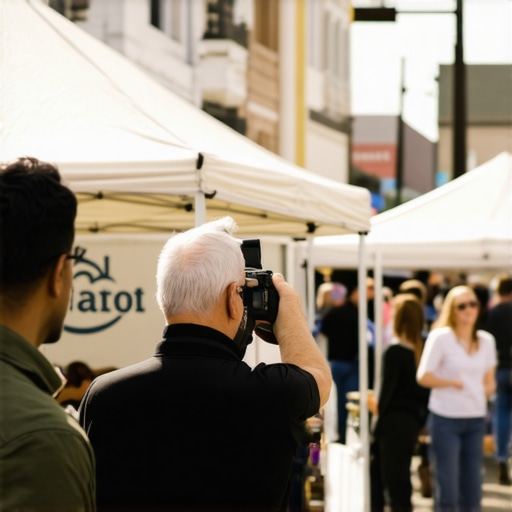
Turn Your Smartphone Into a Map Ranking Tool
During the event, your phone is your most valuable asset, but not for taking selfies. You need ‘proof of presence’ photos. I learned this the hard way after a fall festival where I took forty photos of my staff smiling, but none that showed our booth next to the town hall landmark. Google’s AI can often recognize local landmarks in images. By taking high-quality photos of your team interacting with the community with recognizable local scenery in the background, you are feeding the machine data it craves. When you upload these to your profile, you are showing how to get more clicks with better map images that actually mean something to the locals.
Don’t Forget to Tell the Story on Your Own Site
The biggest mistake I see is business owners keeping the event separate from their website. You need to create a post or a landing page dedicated to your involvement in that specific neighborhood. Use how to use hyperlocal content to win the neighborhood map war as your blueprint here. Describe the streets you were on, the people you met, and the local businesses you partnered with. This anchors your website to a specific set of coordinates. When Google crawls your site and sees a deep dive into a local event, it validates the proximity signals of your map pin. This is how you rank higher in the 3-pack by being the most relevant answer for a specific corner of the city. If you aren’t doing this, you are just a visitor in your own town.Let’s dig deeper into the mechanics that separate the amateurs from the local legends. Most business owners assume that if they just gather more five-star reviews, they will naturally rank higher in the 3-pack. In my experience, that is a dangerous oversimplification that leads to plateaued growth. You could have a 4.9 rating and still be invisible if your ‘review velocity’—the speed at which you gain new feedback—is stagnant. According to the BrightLocal Local Consumer Review Survey, freshness is a massive factor in local trust. If your last review was from three months ago, Google’s algorithm starts to doubt your current relevance in the neighborhood. This is precisely why high ratings alone will not move your map pin when you are fighting for the top spot against active competitors. You need to understand that why review velocity is more important than total count is the key to maintaining long-term momentum.
The Keyword Stuffing Trap That Could Kill Your Rank
One of the most common ‘hacks’ I see is business owners adding descriptive keywords to their business name on their profile. I’ll be honest: it used to work like a charm. But now, it’s a ticking time bomb. Google’s spam filters have become incredibly aggressive post-Vicinity update. You might see a temporary jump in google maps optimization, but you are essentially inviting a hard suspension that can take weeks to resolve. I’ve seen thriving businesses lose 80% of their lead flow overnight because they tried to outsmart the algorithm with a name like ‘Best Emergency Plumber NYC.’ Understanding the hidden penalty for keyword stuffing your business name is vital if you want to stay in the game for the long haul. 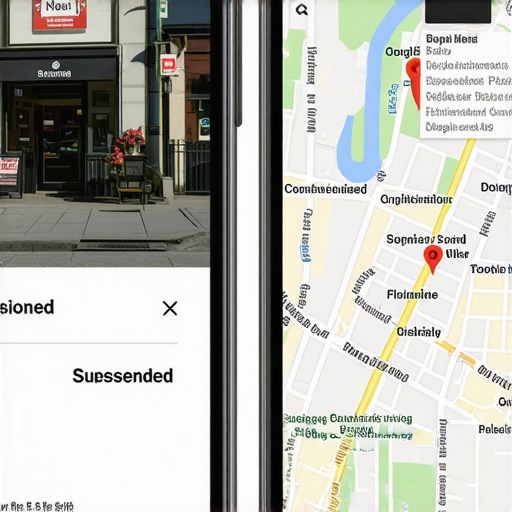
Why Does the Guy Down the Street Outrank You With Zero Reviews?
It’s frustrating, right? You have the better shop, the better staff, and hundreds of happy customers, yet the competitor who barely tries is sitting pretty at the top of the search results. This usually happens because of what I call ‘local entity authority.’ Google looks at how many times your business is mentioned in a hyper-geographic context rather than just a generic industry context. This is the real reason your competitor ranks with fewer reviews—they have deeper, more established digital ties to the specific city blocks they serve. You need to pivot your focus because why small local links drive better rank than guest posts comes down to proving you are a neighborhood fixture, not just another generic service provider.
Don’t Ignore the Data Your Dashboard Is Hiding
If you are only looking at your average star rating or your monthly traffic, you are missing the forest for the trees. You need to monitor your profile’s ‘health signals’ every week. Most seo service local providers will tell you to just ‘post more content,’ but if that content doesn’t trigger engagement—like clicks on your photos or questions in the Q&A—it’s just useless noise. Have you ever noticed your maps visibility staying high while your phone suddenly stops ringing? This is a common nuance that indicates a disconnect between your ranking and your actual conversion elements. Have you ever fallen into this trap? Let me know in the comments.I’ve seen too many business owners reach the top of the mountain only to roll right back down because they treated their profile like a ‘set it and forget it’ project. To stay visible, you need more than just hope; you need a stack of tools that give you an unfair advantage. Personally, I stopped relying on traditional rank trackers years ago because they only show you a single data point. Instead, I shifted to heatmapping. This is how we use software to spot visibility gaps on maps across every square mile of your service territory. If you aren’t looking at a grid of your city, why your local keyword tracking is probably lying to you becomes painfully obvious. You might rank #1 at your front door, but drop to #10 just three blocks away.
Invest in Tools That Reveal the Invisible Grid
My go-to method involves using tools like Local Falcon or BrightLocal to visualize the ‘proximity squeeze.’ These tools don’t just tell you that you are ranking; they tell you where your google maps optimization is failing to penetrate. When I see a red zone on my map, I don’t just throw more links at it. I look at the local signals in that specific neighborhood. This level of granularity is what separates a hobbyist from a professional seo service local provider. You need to know exactly where your pin starts to fade so you can deploy hyperlocal content to shore up those borders. 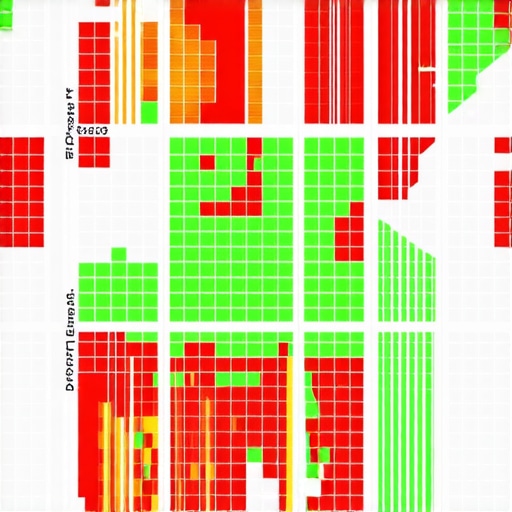
The Future of Local Search is Predictive and Behavioral
Looking ahead, I predict that Google is moving away from simple proximity and toward behavioral intent. We are already seeing the early stages of this with ‘Zero-click’ searches. Soon, mastering map pack seo strategies won’t just be about keywords; it will be about predicting when a user needs your service based on their past movements. This means your profile needs to be a hub of activity. If you aren’t following the weekly routine for dominating your neighborhood 3-pack, you are going to get left behind by AI-driven results that favor businesses with high engagement and ‘real-world’ relevance.
How do I maintain my 3-pack rank over time?
Maintenance is about consistency, not intensity. Joy Hawkins from Sterling Sky, a leading expert in the local search space, has often highlighted that even minor changes to your business categories or attributes can trigger a re-evaluation by the algorithm. To keep your position, you must perform a regular ‘health check.’ I recommend you learn how to audit your business profile in under ten minutes so you can spot errors before they become catastrophes. This includes checking for suggested edits from competitors—who might try to mark you as ‘closed’—and ensuring your service areas aren’t overlapping in a way that triggers a filter. If you want to take things to the next level right now, go into your dashboard and audit your service area settings immediately; the service area page mistake that stops your map pin is the single most common reason for a sudden drop in ranking higher in the 3-pack. Get that fixed today, and you’ll be miles ahead of the competition.
What the Proximity Algorithms Taught Me the Hard Way
The hardest lesson I’ve learned is that Google values community proof over technical perfection. I spent years trying to find the perfect technical backlink, only to realize that a single shout-out from a local little league team moved the needle more than any generic guest post. It’s about the density of your local footprint, not just the volume of your SEO efforts. This is also why I often see why your business description is being ignored by local leads—it focuses too much on keywords and not enough on community identity. Remember that your profile is a living document; if you stop showing up locally, Google will eventually stop showing you to customers. This is why why your phone stops ringing even when you are in the top 3 usually boils down to a lack of recent, relevant activity that proves you are still the best local choice. #IMAGE_PLACEHOLDER_E#
The Tools I Use to Keep the Phone Ringing
I don’t play guessing games with my data. To keep a profile healthy, I rely on a specific stack that reveals what’s happening beneath the surface. I use Local Falcon for its grid-style visibility reporting; it is the only way to see if you are actually winning the neighborhood block by block. I also frequently check the BrightLocal annual consumer surveys to understand the evolving psychology of local searchers. To find where to build niche citations instead of directories, I always analyze what my most successful competitors are doing via Whitespark’s citation finder. Finally, I make it a point to stay updated with the Sterling Sky blog, as they are the gold standard for testing new algorithm changes. These aren’t just gadgets; they are the eyes and ears of my digital presence.
Stop Being a Ghost in Your Own City
The map pack isn’t a static leaderboard; it is a reflection of who is most active and relevant in the city right now. By focusing on real-world connections and documenting them digitally, you aren’t just chasing a rank—you are building a brand that the community actually trusts. It is time to take these mastering map pack seo strategies and turn them into your business’s new reality. Your neighbors are searching for you every single day; make sure you are the one standing there ready to help when they find you. Success on maps is earned through consistency, not luck. Which local event or neighborhood organization have you been meaning to partner with but haven’t reached out to yet? Let me know in the comments below.