
I spent three months obsessing over my map pin. I checked my ranking every morning before coffee, and eventually, I hit the jackpot. I was sitting pretty in the number one spot for every major keyword in town. My dashboard was glowing green, showing thousands of impressions and views. I waited for the flood of calls. I even cleared my schedule to handle the new business. But the phone stayed eerily quiet. It was a gut-punch realization: I was winning the search game but losing the human one.
Stop Celebrating Empty Views and Start Answering the Phone
It turns out, every map click isn’t turning into a phone call because views are a vanity metric if they don’t inspire action. I learned the hard way that you can have the best google maps optimization strategy in the world, but if your profile looks like a digital ghost town, people will scroll right past you to the guy in the third spot who actually looks alive. Today, I am going to show you exactly how to bridge that gap between being seen and being called. I will show you why your phone stops ringing even when you are in the top 3 and how to flip that switch.
Does Ranking in the Top 3 Even Matter Anymore?
You might be thinking that being at the top is the only thing that counts. Honestly, it is a fair question. We have been told for years that the 3-pack is the holy grail. But visibility is only half the battle. If you do not give them a reason to click, you are just a name on a list. According to data from BrightLocal, businesses with more than 100 images get 520% more calls than the average business. If your profile is bare-bones, you are basically a billboard in a dark alley. Early in my journey, I made the classic mistake of focusing entirely on how to rank higher in the google maps 3 pack today while completely neglecting my business description. I used a generic, boring blurb that could have belonged to any business in the country. It did not build trust; it just took up space. Once I shifted to using a checklist for optimizing your business description for humans, the leads actually started moving. Have you ever noticed your views skyrocketing while your actual lead count stays flat? It is a frustrating place to be, but we are going to look at how we can use the same tactics I used to triple phone calls for my local clients.
Forget the Broad Labels and Get Specific
When I first started helping local businesses, I treated Google Business Profile categories like a multiple-choice test where I only needed to be ‘close enough.’ I was wrong. Google’s algorithm is like a hyper-organized librarian; if you put a book on ‘Auto Repair’ in the general ‘Services’ section, nobody looking for a brake job is going to find it. You need to stop using generic categories and find the niche picks that tell Google exactly what you do. I remember working with a boutique gym that was listed as a ‘Fitness Center.’ They were invisible. The moment we changed their primary category to ‘Personal Trainer’ and added secondary categories for yoga and HIIT, their map pin didn’t just move; it caught fire. This is the foundation of optimizing your business category for the local 3-pack. If you get this wrong, every other SEO trick you try is just building a house on sand.
Be the Answer to Their Specific Problem
Most people search with intent. They don’t just want a ‘plumber’; they want ’emergency water heater repair.’ You can dominate these high-intent searches by realizing that your business photos are actually silent sales pitches. I once sat down with a local garage owner who was frustrated that national dealerships were taking all his leads. We didn’t outspend them; we out-imaged them. We stopped using stock photos and started uploading high resolution store photos that showed his actual team working on cars. We even followed a checklist for optimizing profile photos to ensure they looked professional on mobile. That small shift is how a small garage outranked national dealerships. Humans crave authenticity, and Google rewards the engagement that authenticity creates.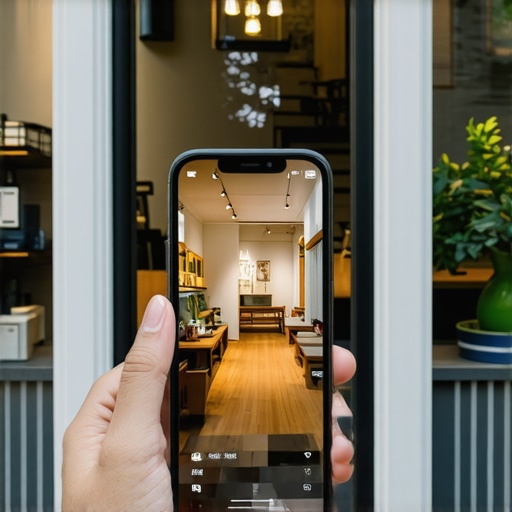
Turn Your Profile into a 24/7 Sales Rep
Your profile shouldn’t just sit there. It should talk. One of the most overlooked weapons in the map pack seo arsenal is the Q&A section. Most business owners wait for a customer to ask a question, but the pros know you can post your own questions and answer them yourself. It’s not cheating; it’s providing a FAQ that appears right in the search results. When you use QA sections to convert more local search traffic, you are removing the friction that prevents a phone call. If a customer sees that you offer ‘same-day estimates’ or ‘free consultations’ right there on the map, why would they keep scrolling? This is a core part of enhancing maps visibility because it signals to Google that your profile is active and helpful.
The Hidden Signal of Local Authority
Beyond your profile, Google looks at how the local community talks about you. Forget generic guest posts on big industry blogs; those don’t move the needle for a local shop. You need local backlinks from the high school football team you sponsored or the local chamber of commerce. I’ve seen the simple local link strategy move a map pin across an entire city faster than any technical tweak. It creates a digital footprint that says, ‘I am a real part of this neighborhood.’ This proximity and relevance are exactly how to build map authority in a competitive city without having the biggest marketing budget. It is about proving you belong in that specific geography, not just that you exist on the internet.
Why Distance Isn’t the Ranking Wall You Think It Is
The common wisdom in the industry says you need to be within a stone’s throw of the searcher to show up in the results. I used to believe that too, constantly checking my location settings. But honestly, following that logic means you are letting a physical map pin dictate the ceiling of your business growth. In reality, the proximity filter is much more flexible than most ‘gurus’ admit. I have seen businesses rank five miles away from their office because their relevance signals were so loud Google simply could not ignore them. This is exactly why distance from the center is not your ranking problem; your real problem is likely a lack of authority signals that bridge the geographic gap. When you stop obsessing over being ‘closest’ and start focusing on being the ‘most relevant,’ you unlock a massive new radius of customers.
Can You Actually Outrank the Shop Next Door From Three Miles Away?
It sounds impossible, but it happens every day. According to the annual Local Search Ranking Factors study by Whitespark, while proximity remains a top signal, ‘Relevance’ (derived from your website content and profile data) has been gaining significant ground as a differentiator. This proves the truth about proximity: you can expand your reach if you stop relying on your street address alone. If your website is optimized for specific local neighborhoods and your profile is hyper-active, Google begins to trust you as a regional authority rather than just a local convenience. Have you ever fallen into this trap—maybe tried to stay within a tiny search radius and wondered why you weren’t growing? Let me know in the comments.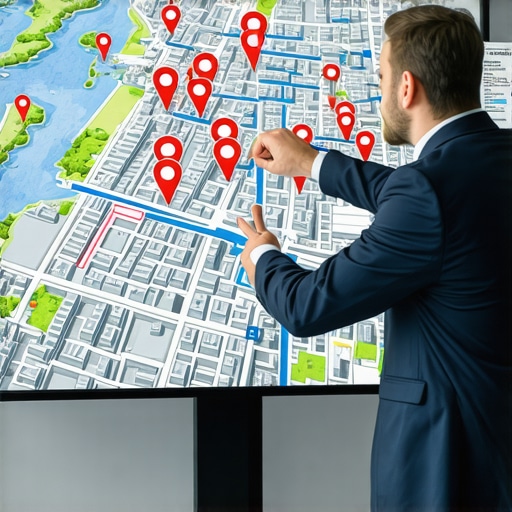
The Dangerous Shortcut That Gets Your Listing Banned
The biggest ‘oops’ factor I see with business owners trying to rank higher in the google maps 3 pack today is the temptation to game the system with their business name. It starts innocently enough: you add ‘Best Denver Plumber’ or ‘Affordable Roofer’ to your legal name in the profile. While this might give you a temporary, drug-like boost in the rankings, the hidden penalty for keyword stuffing your business name is a hard suspension. I have watched years of hard-earned reviews vanish overnight because of this one mistake. It is a primary reason why your current map strategy is losing you money—you are building a house on a foundation of sand. Instead of tricks, focus on mastering map pack seo strategies that involve genuine engagement. One reason why generic seo advice is ruining your local map rankings is that it fails to account for the human factor. Finally, keep an eye on your reporting. Often, the data your map reporting tool is likely ignoring is the actual quality of the leads. High rankings are a vanity metric if they are coming from searchers outside your service capability.
The Map Pack Isn’t a Trophy You Get to Keep Forever
Ranking #1 feels great, but the local algorithm is restless. If you stop working on your profile the moment you hit the top, you are basically inviting your competitors to walk right past you. I have seen listings that dominated for years fall to the second page in a single month because the owner got complacent. The reality is that your map listing needs fresh content every single week to signal to Google that your business is still the most relevant answer for local searchers. This isn’t just about SEO; it is about showing potential customers that you are open and active. I personally make it a habit to leverage google posts to highlight new projects or customer testimonials, which keeps the ‘relevance’ signal firing constantly.
Seeing Through the Eyes of Your Customers Across Town
One of the biggest mistakes I see is business owners checking their rank while sitting in their own office. Of course you are #1 there—you are standing right on top of the pin! To get a real picture of your map pack seo performance, you need a grid tracking tool. I personally use local rank trackers that show me exactly where my visibility drops off street-by-street. If I see my rank is a 1 in the city center but a 7 just three miles west, I know I need to double down on tracking the map rank across the whole city. Without this data, you are flying blind. Most people realize your local keyword tracking is probably lying to you if it only gives you a single average number. You need to see the heat map to know where the ‘relevance’ gaps are. 
How do I keep my business at the top month after month?
Maintenance isn’t about massive overhauls; it is about consistent, small actions. First, look at your reviews. Most people focus on the total number, but review velocity is more important than total count. Google wants to see that people are choosing you *today*, not just three years ago. Second, keep an eye on your competitors. If a rival suddenly jumps ahead of you, they might be using a simple local link strategy that you are ignoring. I also recommend checking your ‘suggested edits’ daily. Malicious competitors or even confused users can change your hours or website URL, and if you don’t catch it, your ranking will tank. According to Google’s own documentation on How to improve your local ranking on Google, prominence is heavily weighted by the information Google has from across the web, meaning your off-profile presence is just as vital as the profile itself.
The Future of Maps is More Than Just a Pin
As we look forward, the ‘near me’ search is evolving into ‘best for me’ search. AI and Google’s Search Generative Experience are starting to pull data from your website’s deep content to justify why you should be in the 3-pack. This is why you should use localized blog content to prove your expertise in specific neighborhoods. We are moving toward a world where google maps optimization is indistinguishable from total brand authority. If you want to stay ahead of the curve, my advanced tip is this: start creating neighborhood-specific landing pages that talk about real local projects you’ve completed. Don’t just list your services; prove you were there. This builds the ‘geographic relevance’ that no national competitor can fake.
What the Analytics Dashboards Never Actually Reveal
After years of managing local profiles, I’ve learned that the ‘Total Views’ number in your dashboard is the most dangerous distraction in business. A view doesn’t pay the bills; a conversation does. I realized that my most successful clients weren’t the ones with the most impressions, but the ones who treated their profile like a living, breathing storefront. You have to realize that your google listing needs specific trust signals to rank higher and convert those lookers into callers. It is the subtle things, like the way you phrase your responses or the specific lighting in your photos, that build the bridge of trust. Another major lesson? Never underestimate your own site; your website content matters more for map rankings than you think because it acts as the primary source of truth for Google’s AI. If the website says ‘Expert Plumber’ but the map says ‘General Handyman,’ the algorithm gets confused and drops you. Lastly, don’t over-complicate things—sometimes the 5 minute profile edit that updates your services list is all you need to start seeing fresh leads.
#IMAGE_PLACEHOLDER_E#
My Secret Weapons for Dominating Local Search
I don’t believe in magic bullets, but I do believe in having the right tools in your belt. First, I always keep an eye on the Whitespark Local Search Ranking Factors study—it is the industry’s most reliable compass. Second, for those looking for affordable local seo services to dominate the 3 pack, I recommend using a tool like BrightLocal to audit your presence street-by-street. Third, never ignore your own data. Your ‘Business Profile’ insights can tell you exactly when your customers are most active, allowing you to time your posts for maximum impact. If this all feels overwhelming, you can always contact us to help sort through the noise and find the path that actually leads to revenue.
Take the First Step Out of the Shadows
The journey to the top of the map pack isn’t a sprint; it’s a series of small, intentional steps. You don’t need a massive budget to win; you just need to be more present and more authentic than the corporate chain down the road. Every photo you upload and every review you answer is a signal to your community that you care. Start with your google maps optimization today, not for the algorithm, but for the person on the other end of the screen who is looking for exactly what you offer.
Have you ever felt like your map ranking was stuck no matter what you tried? Let me know in the comments below!