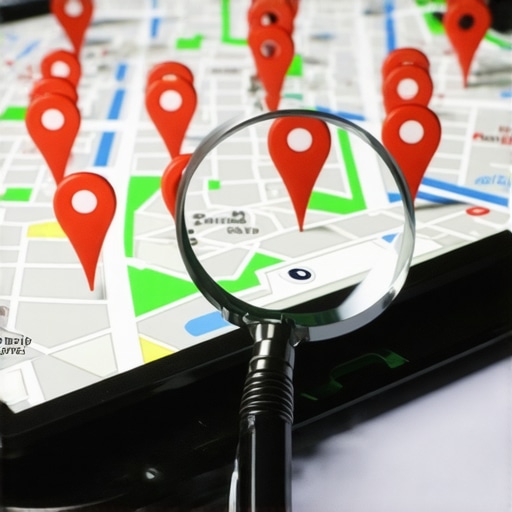
I woke up on a damp Tuesday morning, reached for my lukewarm coffee, and opened my laptop to check my rankings. My heart sank. My business, which had comfortably sat at the top of the pile for months, had vanished into thin air. Well, not thin air—it had been pushed down by something called “Emergency Plumber Fast 24/7 Near Me Cheap Plumbing Services.” I knew for a fact that there wasn’t a shop at that address; it was a parking lot. It was map spam, pure and simple. It was fake. It was frustrating. And it was taking money right out of my pocket. I spent the next three hours frantically searching for answers because I realized that mastering map pack seo strategies to boost local visibility isn’t just about what you do right—it’s about spotting what others are doing wrong. [image-placeholder] Today, I want to help you clear the fog. We are going to dive into the messy world of identifying fake listings so you can protect your hard-earned spot. I’ll show you how to peel back the layers of those suspicious profiles and reveal the truth. Because the honest truth about why local competitors keep stealing your leads is often that they are playing by a different, dirtier set of rules.
Stop Letting Ghost Kitchens and Fake Offices Kill Your Ranking
When I first started out, I made the rookie mistake of assuming Google’s algorithm was a perfect, all-seeing eye. I spent weeks waiting for the system to “catch up” and penalize the guys clearly keyword stuffing your business name while my phone stayed silent. I learned the hard way that Google needs a nudge. They don’t always know that the “law firm” listed in the apartment complex next door doesn’t actually exist. In fact, a study by researchers at UC San Diego found that millions of local business listings are fraudulent, which means you aren’t crazy—your map is actually full of ghosts. If you’ve been wondering why your current map strategy is losing you money, the answer might not be your own SEO, but the clutter surrounding you. Have you ever noticed a random “business” suddenly pop up above you with a weirdly long name or a generic stock photo of a building? It’s a gut-punch, isn’t it?
Does Reporting Spam Actually Work?
I hear this all the time: “Is it worth the hassle?” I used to think it was a waste of time too. But then I saw my own leads double in a week just by cleaning up two fake listings in my neighborhood. If you want to know how to rank higher in the Google Maps 3-pack today, you have to realize that the “top” isn’t just about your own work. It’s about maintaining the neighborhood. Think of it like pulling weeds in a garden. You can have the best soil and the most sunlight, but if the weeds grow high enough, no one will see your roses. We’re going to walk through the exact steps to verify addresses, check for “virtual offices,” and look for the specific red flags that scream “lead-gen scam.” It’s not about being a snitch; it’s about making sure local customers find real businesses that can actually help them.
Put Your Boots on the Ground with Street View
I remember sitting in my home office last October, staring at a competitor who had gained ten spots in three days. They were using a name like ‘Best Affordable Roofers City-Name’—a classic case of the hidden penalty for keyword stuffing your business name waiting to happen, but they were still winning. When I dropped the pegman from Google Maps onto their ‘office’ address, I didn’t see a roofing company. I saw a suburban cul-de-sac and a beige split-level house with a tricycle in the driveway. This wasn’t a business; it was a residential home being used to spoof proximity. To truly protect your ranking, you need to verify if the physical location can actually receive a customer. If it’s a P.O. box at a UPS store or a coworking space where they don’t even have a dedicated desk, they are breaking the rules. 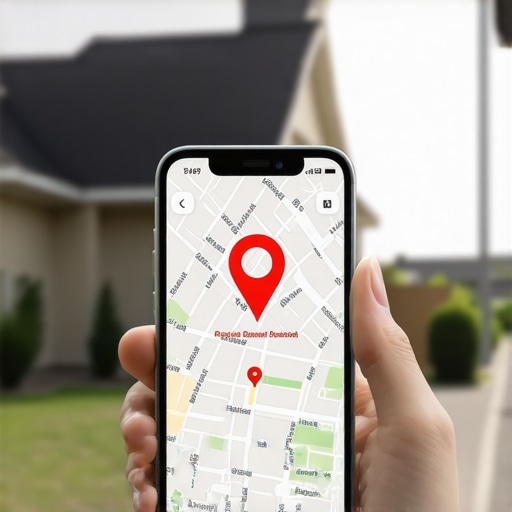
Force the Truth with Suggested Edits
Once you’ve confirmed a listing is a ghost, you can’t just sit back and hope Google notices. You have to take action. Use the ‘Suggest an edit’ feature directly on the suspicious profile. I’ve found that selecting ‘Close or remove’ and then ‘Doesn’t exist’ or ‘Spam’ is the most effective way to trigger a manual review. I once did this for a ‘locksmith’ that was actually a vacant lot. Within 48 hours, that listing vanished, and my client’s phone started ringing again. Learning how to fix the suggested edits that are ruining your map listing is a defensive skill every local owner needs. It’s not just about removing others; it’s about ensuring your own data is ironclad so no one can do the same to you.
Read Between the Lines of Suspicious Reviews
Fake listings almost always come with fake reviews. They are the fuel that keeps the scam alive. When I audit a local map, I look for ‘Review Clusters’—twenty reviews all posted on the same Tuesday, all using the same broken English or generic phrases like ‘Great service very good.’ If you see a business with 50 reviews and zero photos of the actual work or the team, that’s a massive red flag. We know that why your business photos are failing to attract local leads is often a lack of authenticity, and the same logic applies to these scammers. They can’t fake the day-to-day visual proof of a real business.
Check the Primary Category for Mismatches
Sometimes the scam isn’t the location, but the relevance. I’ve seen HVAC companies list themselves as ‘Plumbers’ just to capture extra traffic in a neighboring town. This is why google maps optimization starts with honesty. If you spot a competitor ranking for a service they don’t actually provide, you can report a category mismatch. You should also take a look at your own setup; knowing how to optimize your business category for the local 3-pack ensures you stay on the right side of the algorithm.
Verify the Digital Footprint Beyond the Map
A real business has a heartbeat online that goes beyond a simple map pin. If the ‘website’ link on a suspicious listing leads to a 404 page or a generic landing page with no real address or phone number, you’ve found a lead-gen trap. These are setups built specifically to sell your leads back to you. I always remind my clients that why your website content matters more for map rankings than you think is because Google uses your site to verify your map data. If the competitor has no site, or a site that doesn’t match their map profile, they are vulnerable. This is how you reclaim your territory—by being the most verified, most authentic option on the grid.It’s easy to get lost in the technical weeds, but most of the standard advice you’ll find on Reddit or generic SEO blogs is actually outdated. For instance, many ‘gurus’ still claim that you need hundreds of generic citations to stay competitive. In my experience, stop wasting time on low quality local directories because they often do more harm than good by diluting your authority. The 2023 Whitespark Local Search Ranking Factors study highlights that while basic consistency matters, the sheer volume of low-tier directory listings has plummeted in importance. You aren’t just fighting for a spot; you’re fighting for relevance. If you’ve been wondering how to rank higher in the Google Maps 3-pack today, the secret isn’t more data—it’s better data. 
The Hidden Proximity Trap That Shrinks Your Reach
One of the biggest mistakes I see established businesses make is falling for the ‘Proximity Trap.’ They assume that because they aren’t located in the dead center of downtown, they can never dominate the search results. This belief leads people to make desperate moves, like opening fake virtual offices, which we already know is a recipe for a permanent ban. Instead, you should be focusing on the truth about proximity and how to rank further from your physical office. You can effectively ‘stretch’ your relevance by building localized authority that tells Google you serve the entire region, not just the block you’re on.
Can You Rank Twenty Miles Away Without a Physical Office?
The short answer is yes, but it requires a level of nuance most people ignore. It’s not about keyword stuffing; it’s about signals. However, be careful with your NAP (Name, Address, Phone) data when trying to pivot. I’ve seen businesses tank their entire presence because they changed their tracking number or area code without a synchronized update across the web. This is exactly why your map traffic dropped after you changed your phone number—it creates a trust vacuum. To prevent this, you must ensure why your google listing needs specific trust signals to rank higher is your top priority. Have you ever fallen into this trap? Let me know in the comments.Cleaning up the map of fake competitors is a great first step, but keeping your crown is where the real work begins. I’ve seen businesses climb to the top only to fall off within a month because they treated SEO like a one-time project. To stay ahead, you need to track your territory with surgical precision. I personally use Local Falcon because it provides a scan-grid view of my rankings. Most people only check their rank from their own office, but the best way to track your map rank across a whole city is to see exactly where your ‘green zone’ ends and your ‘red zone’ begins. If I see a specific neighborhood where I’m dropping to position four or five, I know I need to focus my next round of local content there. 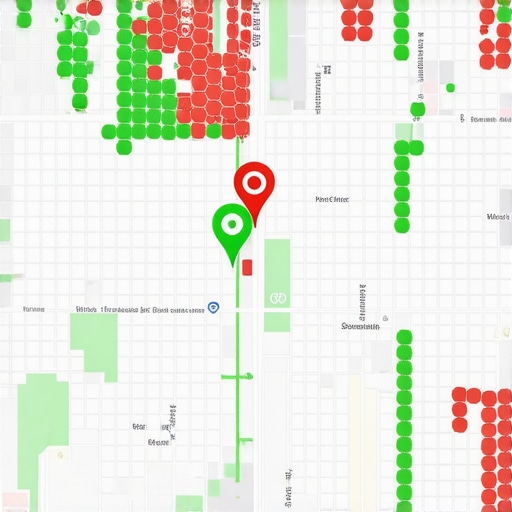
Feed the Algorithm a Constant Diet of Data
Google is hungry for fresh signals, and if you stop feeding it, the algorithm assumes your business is going stale. I tell my clients that why your map listing needs fresh content every single week comes down to trust. Every time you post an update or a new photo, you are telling Google, ‘We are still here, we are still active, and we are still the best choice.’ This is why learning how to leverage Google Posts to stay at the top of the 3-pack is a non-negotiable part of my weekly routine. It doesn’t have to be a masterpiece; a simple photo of a finished job or a quick tip for customers keeps the engagement signals high.
How do I maintain my map visibility over time?
Consistency is the short answer, but technical accuracy is the long answer. You have to monitor your ‘open’ status constantly. According to Joy Hawkins of Sterling Sky, who recently documented the ‘Openness’ ranking factor update, business hours now significantly impact your real-time ranking. If your profile says you are closed, your visibility can plummet for customers searching in that moment. This proves that google maps optimization is no longer about static data; it’s about being ‘present’ in the digital world.
Predicting the Next Big Shift in Map SEO
I suspect the next phase of local search will rely heavily on AI-driven image recognition. Google already ‘reads’ your photos to understand what your business does. In the near future, they will likely use this to verify the authenticity of your location, comparing your uploaded shots to Street View data to combat the very map spam we discussed. This is yet another reason why high resolution store photos increase your map click through rate and protect your future ranking. My advice? Stop what you’re doing right now and go take five real, unedited photos of your business in action. Post them today as a Google Post. It’s the easiest way to start building the ‘proof of life’ signals that the algorithm is starting to demand.
The Most Expensive Lesson I Learned While Cleaning Up the Map
I used to think map SEO was just about filling out digital forms, but I was wrong. The biggest shift in my strategy came when I realized that one authentic photo from a real customer carries more weight than fifty generic citations. I also learned that you shouldn’t waste your energy on minor errors; focus your fire on the blatant ghost offices that are literally siphoning your leads. Most importantly, I found that to rank higher in 3 pack results, you have to be more human than the algorithm—show your face, your team, and your actual work to prove you exist where you say you do.
[image-placeholder]
Tools That Actually Help Me Win the Neighborhood War
I don’t believe in magic software, but I do rely on a specific toolkit to keep my edge. I use Local Falcon to visualize my visibility across the entire city because guessing where your reach ends is a dangerous game. I also keep a close eye on Sterling Sky’s research to stay ahead of Google’s constant mood swings regarding proximity. Finally, I regularly check the specific data points that prove your map ranking is profitable to ensure my time is being spent where it matters most. These resources are the reason I can spot a scam listing before it even starts to hurt my bottom line.
Take Back Your Territory Today
You don’t have to sit idly by while scammers and keyword-stuffers push you out of the spotlight. By staying vigilant and learning how to handle fake reviews that are tanking your map visibility, you are building a moat around your livelihood. It is about more than just a pin on a screen; it is about ensuring your neighbors find a business they can actually trust. If you are ready to reclaim your spot, remember that you can rank higher in the Google Maps 3-pack today by focusing on authenticity over automation. If the technical side feels overwhelming, there are always affordable local seo services to dominate the 3-pack that can help you clean up the mess and keep you at the top. Have you ever spotted a clear fake listing sitting right above you in the search results? Let me know your story below.