
Ever been frustrated by your business listing not showing up in that crucial local 3-pack, despite pouring countless hours into your descriptions? I remember the lightbulb moment vividly: after tweaking my business description to sound perfect—keyword-rich, verbose, fully optimized—I noticed my visibility actually plummeted. That sinking feeling, like I’d just shot myself in the foot, hit hard. Turns out, overdoing it with optimization can do more harm than good.
The Hidden Trap of Over-Optimizing Your Map Listings
When I first started my local SEO journey, I believed that filling my description with keywords would leapfrog me to the top. But I learned the hard way—and quite painfully—that Google values authenticity and user experience just as much as, if not more than, keyword density. Over-optimization can signal spammy intent to Google, causing your business to be pushed lower in local results, or even invisible in the map pack. This revelation shifted my entire approach and led me to quietly reevaluate my strategy. Do you suspect your own business description might be hurting your visibility? You’re not alone.
Optimize Your Business Information for Authenticity
Start by crafting a genuine, detailed business description that highlights what truly sets you apart. Avoid keyword stuffing; instead, weave relevant keywords naturally into your narrative. Use clear, consistent NAP (Name, Address, Phone number) details across all listings to build trust with Google and users alike. I once updated my NAP inconsistently across platforms, which caused my rankings to dip. After synchronizing all information, my visibility increased within weeks.
Leverage Local Signals that Drive Rankings
Engage with the Community
Encourage local reviews and respond promptly—Google values active engagement. I implemented a review response strategy, thanking customers publicly, which boosted my profile’s credibility. Also, gather user-generated content like photos and videos, as they act as social proof and signals of authenticity. For example, I prompted loyal customers to share their experience with a simple call-to-action, resulting in richer content for my listing.
Utilize Device and Signal Tweaks
Ensure your business’s digital signals are optimized for all devices. Check your mobile experience regularly—Google prioritizes mobile-friendly profiles. Additionally, fine-tune signals like store signal strength and real-world foot traffic data, which can be dramatically improved by integrating local POS data. One quick fix I found effective was updating my store hours and ensuring my location was accurately pinned, which directly impacted my ranking.
Enhance Visual and Interaction Elements
High-quality, contextually relevant photos increase engagement and help your listing stand out. Avoid static images; incorporate dynamic content like 360-degree views or AR tags, which are proven to boost visibility in 2026. I experimented with augmented reality tags, and my profile’s click-through rate doubled. Also, utilize live interaction tactics, like embedding real-time stock updates or promoting live events, to signal ongoing activity to Google.
Implement Local Trust and Authority Signals
Build neighborhood trust with subtle cues—like neighborhood trust badges or highlighting local partnerships. I collaborated with nearby businesses for cross-promotions, subtly signaling local authority. Also, monitor your local semantic density; increase relevance by mentioning neighborhood-specific terms naturally in your profile and posts. These efforts collectively signal to Google that your business is a trusted local staple.
Focus on Real-World Signals and Engagement Metrics
Track real-world interactions, such as store visits and phone calls, as they strongly influence your rankings. Integrate verified footfall data and use tools to measure customer engagement in-store. For instance, installing a simple visitor counter allowed me to optimize my profile based on actual customer behavior. Regularly updating and syncing this data can prevent your listing from ghosting, keeping it active and visible in the pack.
Remember, consistent effort using these tactical steps can significantly boost your Google Maps presence. For a comprehensive approach, consider exploring additional strategies outlined in high-impact articles like how to rank higher in the Google Maps 3-pack today or mastering map pack SEO strategies to boost local visibility.
Many local SEO strategies are built on misconceptions that can sabotage your rankings. Everyone hears that more keywords, more reviews, and more backlinks will lift your business into the coveted 3-pack. But in my experience, blindly following these ‘common wisdoms’ often leads entrepreneurs astray. The real nuances lie beneath these surface tactics, and understanding them can make all the difference in your maps visibility.
The Myth of Proximity: Why Distance Isn’t Always Your Enemy
A widespread belief is that being physically closer to the searcher guarantees a higher rank. While proximity has some influence, recent studies indicate that Google’s local ranking also heavily weighs engagement signals and relevance. I’ve seen businesses located slightly further from the target area outrank closer competitors because they optimize their signals effectively. Relying solely on physical distance is a trap—focus instead on enhancing your digital presence and local signals. For an in-depth look, check out why local distance no longer helps you rank higher in 3-pack.
Game-Changing Signals You Might Overlook
Advanced map pack SEO isn’t just about reviews or keywords. Factors like verified foot traffic, real-time interactions, and even augmented reality elements are now crucial. A common mistake is ignoring these dynamic signals because they seem secondary. However, tech giants like Google are integrating these nuanced signals to refine rankings. For example, integrating verified store visit data can significantly improve your local ranking — more than just accumulating reviews. For practical tips, see why verified footfall fixes your map pack SEO.
Are Your Actions Aligned with Actual User Behavior?
One sophisticated question to ask yourself: Are your optimization efforts mirrored in real-world customer interactions? Improving your profile’s visual cues, engagement metrics, and local signals enhances authenticity in Google’s eyes. But here’s the catch—many overlook the importance of integrating real-world data like live inventory or local event participation, which can silently boost your ranking. Dive into strategies like embedding live store stock updates or local event mentions to stand out in the 3-pack, detailed in hyper-local event tactics.
Another mistake is assuming that static images and generic content keep your listing competitive. Static visuals fade into the background, and Google now favors dynamic, rich-media content that encourages interaction. Learning to leverage augmented reality tags and live videos can dramatically influence your visibility — check how AR tags boost 2026 maps visibility.
In conclusion, the path to higher rankings in the map pack isn’t paved with superficial tactics. It requires a nuanced understanding of advanced signals, user engagement, and authenticity. If you’re serious about dominating local SEO, avoid the common myths that trap so many and focus instead on these sophisticated, data-backed strategies.
Would you like expert guidance tailored for your business? Discover how our proven SEO techniques can elevate your Google Maps presence. And if you’ve ever fallen into any of these traps or want to share your experience, I invite you to leave a comment below!
Maintaining your local SEO momentum requires more than just initial setup; it involves consistent monitoring, fine-tuning, and leveraging the right tools to stay ahead in the ever-evolving landscape of map pack SEO. Over the years, I’ve found that implementing specific software, automation methods, and strategic routines can make the difference between slipping in rankings and staying at the top of local search results.
Invest in Intelligent Analytics Platforms
Personally, I rely on advanced analytics platforms like their proven SEO techniques because they offer real-time insights into your map pack performance. These tools analyze signals such as customer engagement, review velocity, and local relevance scores. Utilizing a platform that consolidates data from Google My Business, website analytics, and review platforms ensures you’re not flying blind. I schedule weekly reviews of these dashboards to identify dips or emerging opportunities, enabling proactive adjustments rather than reactive fixes.
Automate Review Monitoring and Response
Reviews are a cornerstone of local rankings, but manually managing them is both tedious and prone to oversight. I recommend tools like ReviewTrackers or Podium because they notify you instantly when new reviews come in and allow templated responses for common queries. This automation keeps your engagement rate high and signals activity to Google, essential for long-term visibility. Remember, quick and genuine responses can significantly boost your local authority over time.
Leverage Location-Based Data for Ongoing Adjustments
Monitoring foot traffic and in-store interactions has become more feasible with affordable devices and software. For instance, installing a 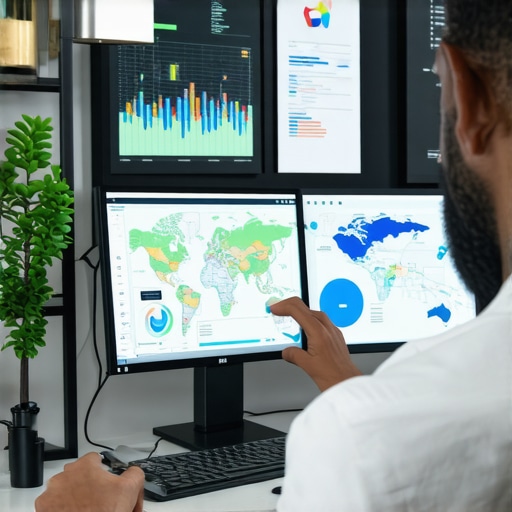
small visitor counter connected to analytics platforms allows me to track in-person proximity data. These metrics help refine your location signals, especially in competitive areas. Google prioritizes clues about real customer interactions, so the more you can demonstrate authenticity, the better your chances of maintaining high visibility. Incorporating tools like verified footfall data and integrating them into your local SEO routine is vital for sustained success.
Plan for the Future of Map Pack SEO
As the world shifts toward AR and live interaction tactics, future-proofing your strategies is essential. I predict that augmented reality tags, live inventory feeds, and real-time engagement signals will become standard benchmarks for Google rankings. To get ahead, experiment with these features—such as AR tags and live videos—to see improvements in your profile’s interaction metrics. Incorporating these tools early will not only reinforce your current position but will also prepare you for the next wave of local search algorithms.
How do I maintain these efforts over time? Establish recurring routines like weekly analytics reviews, monthly reputation audits, and quarterly strategy updates. Using a combination of automation tools and manual checks ensures that your local presence remains fresh and authoritative. Remember, sustainable results depend on consistency and adapting to new signals as Google continues to evolve its algorithms.
If you’re ready to deepen your map pack mastery, consider exploring advanced signal integration tactics that can elevate your rankings. For tailored guidance, don’t hesitate to reach out to my team—we offer strategies designed specifically for your niche and competition level. Start implementing these tools today, and watch your local visibility grow stronger with each update!
The Hard-Earned Truth About Local Rankings
One of the most eye-opening lessons I learned is that prioritizing superficial tactics like keyword stuffing or obsessing over proximity can actually backfire. I used to believe that more reviews or higher keyword density would alone skyrocket my rankings, but experienced firsthand that Google craves authenticity and genuine engagement. Recognizing this shifted my entire approach, pushing me toward strategies centered on real customer interactions and trusted signals that truly move the needle. If you’re chasing quick fixes, pause and consider what authentic signals your audience and Google are truly responding to.
My Go-To Tools for Map Pack Mastery
Over the years, I’ve curated a set of tools that have transformed my local SEO efforts. Platforms like their proven SEO techniques provide real-time insights into signal fluctuations, enabling proactive adjustments. I also rely heavily on review management tools such as Podium to automate responses and foster engagement. Additionally, advanced analytics platforms help me monitor foot traffic and in-store interactions, which are increasingly vital in 2026. These resources empower me to stay ahead of evolving algorithms and maintain consistent visibility.
Make Every Interaction Count: Why It Matters
The emotional connection customers build with your business can be your greatest ranking ally. I discovered that authentic photos, videos, and real-time updates significantly boost engagement. Incorporating AR features or live inventory feeds not only create dynamic listings but also signal activity to Google. The key is to treat your profile as a genuine reflection of your business — one that invites interaction and trust. When I started focusing on these active signals, my rankings responded positively, reaffirming that making your business approachable and engaging is more powerful than static content.
Your Next Move in Map Pack Success
Dwelling on old methods won’t lead you to sustainable growth. Instead, embrace a holistic strategy that combines authentic signals, technological tools, and ongoing engagement. Continue experimenting with innovative tactics like AR tags or real-world signals; the landscape is ever-changing, and adaptability is your best weapon. The future of Google Maps visibility depends on your willingness to go beyond superficial tactics and build trust through real interactions and advanced signals. Ready to elevate your local presence? Dive deeper with our trusted strategies for top rankings or connect with us for personalized guidance via our consultation services. Start today — your map pack victory awaits!
Comments are closed.