
I spent three weeks straight filling out forms on every generic directory I could find. Name, address, phone number—over and over until my eyes crossed. I thought I was doing everything right to rank higher in the Google Maps 3-pack. But the needle didn’t just stay still; it felt like it was glued to the floor. Meanwhile, a guy down the street with a messy profile and half my reviews was sitting pretty at number one. I was baffled. It felt personal, like Google had some kind of grudge against my business. It wasn’t until I stopped obsessing over directories and started looking at how real people talked about me online that things changed. [image placeholder]
Your Local Rank is Stuck Because You Are Too Predictable
I made the classic mistake of thinking that Google maps optimization was just a static checklist of directories. I spent months polishing my Yelp and Yellow Pages profiles, yet my visibility remained flat. I was shouting into a void of generic data. Then, a local neighborhood blogger mentioned my shop in a post about local hidden gems, and suddenly, the phone started ringing. It wasn’t a standard citation with a pretty little box. It was an unstructured one—a mention in the middle of a sentence on a real website. Most businesses are invisible because they follow the same exhausted playbook. They ignore the news articles, local event pages, and community blogs that signal to Google that you are a real, vibrant part of the neighborhood. According to research by Moz, local relevance is a primary driver of the map pack, but that relevance comes from being discussed in contexts that matter to your specific town. If you only exist in directories, you don’t look like a local leader; you look like a bot.
Is chasing these random mentions actually worth the effort?
You might be thinking that you don’t have time to hunt down local reporters or bloggers for a shoutout. I get it. It sounds like a lot of manual labor for a single link. But here is the reality: generic directory listings are failing because everyone has them. If every plumber in town has a Yelp page, then a Yelp page is no longer a competitive advantage. It is just the entry fee. The magic happens when you find the unstructured citations your business is missing from those niche local sources. These are the mentions that your competitors are too lazy to pursue. Have you ever felt like you are doing all the right things, yet your competitors keep stealing your clicks? It is incredibly frustrating to watch someone else win with less effort. This is exactly why mastering map pack SEO requires looking beyond the obvious.
Look for Digital Neighborhood Hubs Instead of Generic Directories
To move the needle, you have to stop acting like a robot and start acting like a neighbor. Generic directories are the white noise of the internet; Google has learned to filter them out because they require zero effort. Instead, you need to identify where the digital heart of your specific town beats. These are often small, poorly designed websites run by local enthusiasts, neighborhood associations, or high school sports boosters. When these sites mention your name and address, Google sees a high-trust signal that you are physically active in the community. Think of your business like a newcomer at a local party. If you walk around handing out business cards to everyone without saying a word, people will ignore you. But if the host—a trusted local news outlet or a well-known blogger—introduces you to the room, your status skyrockets. This is why you need to learn how to build local backlinks that actually move your map rank rather than just buying another package of 50 citations from a farm.
How I Used a Local Pet Blog to Topple a National Chain
I remember working with a struggling boutique pet shop that couldn’t crack the top ten. They had more reviews than the local PetSmart, but they were invisible on the map. We stopped the automated directory submissions and spent one afternoon reaching out to a woman who ran a blog about dog-friendly hiking trails in our county. We offered to sponsor a ‘clean the trail’ day and she wrote a 200-word post about it. That single mention, containing no fancy anchor text, acted as a powerful unstructured citation. Within twenty days, the shop didn’t just enter the 3-pack; it took the number one spot. It worked because we found the unstructured citations your business is missing from local news and blogs which are far more weighted than a hundred Yelp clones. 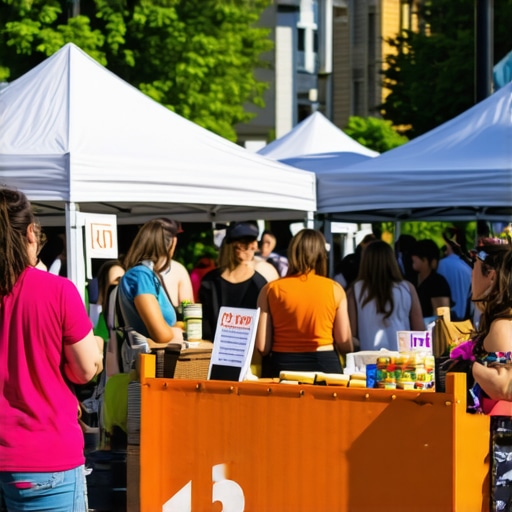
Signals That Actually Tell Google You Are a Real Business
In 2026, the algorithm is moving toward ‘spatial search’ and ‘verified entities.’ This means Google is looking for 5 real-world trust signals for better maps visibility in 2026, such as real-time foot traffic data and transaction signals. You can’t fake being a part of a neighborhood anymore. One of the most effective ways to enhance maps visibility with proven seo techniques is to encourage customers to mention specific landmarks or neighborhood names in their reviews. When a customer writes, ‘Best coffee near the old clock tower in downtown Springfield,’ Google connects your business to that specific geographic entity. This creates a relevance web that a national franchise sitting in a corporate office miles away can never replicate. This is precisely how small shops are beating national chains in local maps every single day.
Prioritize the Backlink Types That Move the Pin
Not all links are created equal when it comes to the map pack. While a guest post on a massive industry site might help your global SEO, it does very little for your local proximity. You need to focus on the specific backlink types that actually push your profile into the 3-pack. This includes local chamber of commerce links, mentions on city-specific ‘Best Of’ lists, and links from local charities. These links serve as a digital ‘proof of life’ for your business location. If you are struggling to get noticed, look at your competitors’ backlink profiles. You’ll likely see a sea of generic garbage. By securing just three or four highly relevant, local-only links, you create a moat around your ranking that is incredibly difficult for others to cross without the same level of community integration.
Stop Counting Your Reviews and Start Watching the Clock
Everyone tells you to hunt for more reviews, but that is where most people hit a wall. In my experience, focusing solely on the quantity of stars is a losing game. Google’s AI has become incredibly suspicious of sudden spikes in review activity. If you have ever wondered why your profile stayed stuck despite a five-star streak, it might be because asking every customer for a review is actually hurting your map rank. The algorithm looks for review velocity. If you typically get one review a month and suddenly get ten in a single weekend, the filter often kicks in and hides them. Instead, you should focus on the specific review phrases that actually move the needle for your map rank. Google wants to see keywords related to your services and location naturally woven into the text by real customers who actually visited your shop. 
The Service Area Settings That Are Secretly Hiding Your Business
Here is the oops factor that kills visibility for plumbers, electricians, and mobile boutiques. Many owners think that by selecting every possible city in their county within their profile settings, they are casting a wider net. In reality, why your service area settings are probably hiding you from the local 3-pack is because Google prefers narrow, focused relevance. When you tell Google you serve a 100-mile radius but your office is in a small suburb, you dilute your local authority. You end up ranking nowhere because you tried to rank everywhere. Whitespark’s annual Local Search Ranking Factors study confirms that while proximity is a huge factor, entity authority often overrides it. This explains how a distant shop outranked closer rivals in the local 3-pack—they had stronger, more focused signals rather than just a wide, shallow reach.
Can You Actually Rank in the Next Town Over Without a Physical Office?
This is the question I get from every ambitious business owner. The answer is yes, but not through the lazy methods used five years ago. You cannot just build a city page with thin content and expect to win. You have to create digital footprints in that neighboring town through local sponsorships or niche citations. If you are preparing your map listing for the 2026 spatial search shift, you need to understand that Google is looking for real-world interactions. I have seen businesses succeed by simply getting mentioned on a neighboring town’s community board. It is about proving your presence through data, not just claims. Many people misunderstand why your distance from the city center isn’t the real reason you’re not in the 3-pack; the real reason is often a lack of local trust signals in those specific zip codes. Have you ever fallen into this trap of trying to cover too much ground and losing your home-turf advantage? Let me know in the comments. If you are feeling overwhelmed by these nuances, looking into affordable local seo services to dominate the 3-pack can help you navigate the shift without the painful trial and error.I’ve learned the hard way that a number one ranking isn’t a trophy you get to keep forever; it’s more like a spot you’re renting. If you stop paying attention, Google will hand the keys to the next person who shows up with fresher data. I’ve found that the biggest mistake business owners make after hitting the top is thinking the job is finished. It’s not. To stay relevant, you need to transition from ‘building’ mode into ‘maintenance’ mode. I personally swear by authentic, weekly engagement. Most people post generic stock photos of ‘tools’ or ‘happy families,’ but I’ve found that the one weekly profile update that keeps your local leads from dropping involves real, raw photos of your team actually working in the neighborhood. Google’s AI can now distinguish between a unique local photo and a reused stock image, and it heavily favors the former.
The Data I Trust When My Rankings Go Sideways
I stopped using traditional rank trackers years ago. If you’re just checking a single keyword from your office desktop, you’re flying blind. I realized that why your local keyword tracking data is probably lying to you is because of the ‘proximity bubble.’ A customer three miles away sees a completely different 3-pack than someone sitting in your lobby. I use ‘geogrid’ software like Local Falcon or BrightLocal to see exactly where my visibility drops off. This allows me to see how we use local seo software to spot the visibility gaps your competitors miss and target specific neighborhoods that are currently being ‘stolen’ by a rival shop. 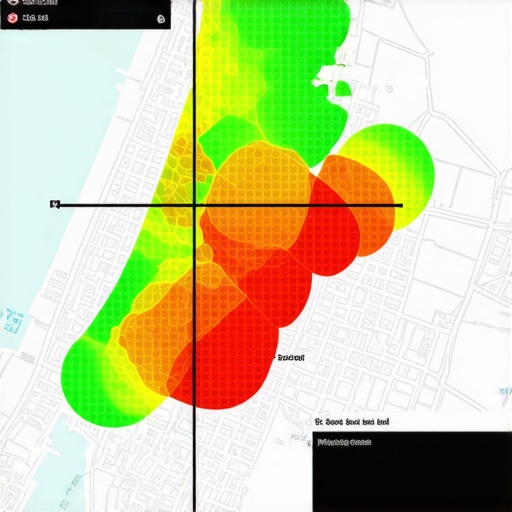
Don’t Let Your Technical Foundation Crumble
It is easy to ignore the code on your website once the leads start coming in, but technical decay is real. Google’s Search Central documentation explicitly notes that ‘LocalBusiness’ structured data must include a physical address or a specific geographic area to be eligible for the most prominent rich results. If your site’s code gets messy after a theme update, you’ll find that why your local schema isnt moving the needle on google maps is often due to broken syntax that stops Google from connecting your website to your map pin. As we look toward the future, specifically preparing your map listing for the 2026 spatial search shift, the integration between your website’s ‘real-world’ signals and your profile will be the only thing that matters. We are moving toward a world where 5 ways verified footfall fixes your map pack seo in 2026 will include actual store visit data from mobile devices.
How do I keep my map rank stable over the long haul?
The secret to long-term stability is building a ‘moat’ of trust that an algorithm update can’t wash away. This means you need to stop chasing ‘tricks’ and start securing the specific backlink types that actually push your profile into the 3-pack, like local news mentions and charity sponsorships. If you’re feeling like the technical side of this is becoming a full-time job, it might be time to look into affordable local seo services to dominate the 3-pack so you can focus on running your business while the pros handle the geogrids. My challenge to you: open your business profile right now and upload one unedited photo of a job you finished today. It’s the simplest way to signal ‘life’ to the algorithm.
The Brutal Truth About Staying on Top of the Map Pack
After years of tweaking profiles, the biggest lesson I’ve learned is that momentum is more valuable than perfection. I used to spend days obsessing over a single description, only to realize that Google cares more about whether you are still active today. If you want to rank higher in the Google Maps 3-pack, you have to treat your profile like a living organism, not a set-it-and-forget-it billboard. Another hard-earned insight: negative reviews aren’t the end of the world. In fact, the review reply secret that actually wins more map clicks is often how professionally and humanly you handle a disgruntled customer. The algorithm sees that engagement as a high-trust signal of a real, functioning business.
#IMAGE_PLACE_FINAL#
Tools I Actually Log Into Every Single Morning
I don’t believe in over-complicating your tech stack, but you do need eyes on the ground. I personally rely on Local Falcon for those detailed geogrid maps—they are the only way to see the ‘proximity bubble’ in action. I also keep a close watch on Google Search Central to ensure my website’s health isn’t dragging down my map rank. If you’re feeling like the technical debt is piling up, looking into affordable local seo services to dominate the 3-pack can take that weight off your shoulders. Lastly, never underestimate the power of a simple text reminder for your customers; using the text message template that doubles your google review response rate can help maintain that review velocity we talked about earlier.
Your Neighborhood Is Waiting for You to Lead
The digital landscape is shifting, but the core of google maps optimization remains rooted in community. You are not just a pin on a map; you are a solution to a neighbor’s problem. Don’t be intimidated by the national chains with their massive budgets. They can’t replicate the local trust signals and the genuine neighborhood connections that you build every day. By focusing on enhancing maps visibility with proven seo techniques, you are securing the future of your business for 2026 and beyond. Go out there, take that raw photo of your team, and show Google that you are the heartbeat of your town. Have you ever seen your ranking drop suddenly even after getting a great review? Let me know your experience in the comments below!